[vc_empty_space height="5px"]
By Joel Drucker
[vc_empty_space height="15px"]Occasionally there come those sublime moments in the life of a journalist when an editor calls and an assignment is defined with merely one word.
So it came from Racquet editor David Shaftel: “Bucharest.”
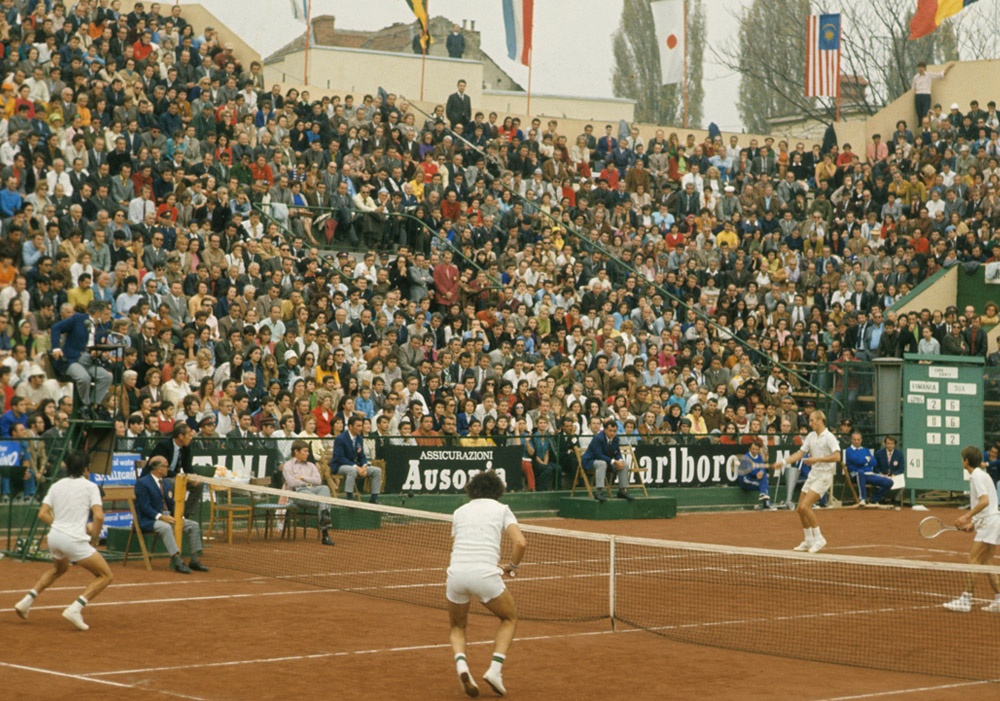
Off I went to hunt and gather the details of one of the wildest moments in tennis history—a Cold War tale of intrigue, potential terrorism, competition, cheating, and charisma that stretched from Wimbledon to the White House, from Pasadena to Transylvania.
This was the 1972 Davis Cup final between the United States and Romania, featuring such future Hall of Famers as Stan Smith and Ilie Nastase, Ion Tiriac and Dennis Ralston. Add to that major roles played by Tom Gorman, Erik van Dillen, Brian Gottfried, and Harold Solomon.
But of all the thoughtful ways people spoke to me about Bucharest, none brought more raw emotion—at times even downright anguish—to the story than America’s Davis Cup captain, Dennis Ralston. Dennis died on Dec. 6, 2020, several weeks before the magazine went to press. Over the past two decades, I’d been fortunate to interview Dennis many times and be able to learn so much from both his brilliant mind and generous heart.
Bucharest ’72 was in large part the culmination of Dennis’ epic Davis Cup odyssey. In 1963, Dennis that spring led his USC team to the NCAA championship—and then finished the year as one of the star singles players on America’s winning Davis Cup team. Five years later, working with captain Donald Dell, Dennis became the squad’s coach. By 1972, he was named captain.[vc_empty_space height="25px"]
But as rewarding as Davis Cup was for Dennis, there’d also been agonizing losses and a host of ways he’d felt jerked around by tennis’ powers-that-be. Tennis before 1968 was largely an amateur game, ruled by haughty officials who often treated players like Dennis less as athletes and more as ornaments. Even once tennis went Open in ’68, much of this antiquated sensibility continued to thwart the efforts of Dennis and his mates in their quest to make tennis a legitimate, professional sport. As Dennis found out several times—even decades after his tenure as captain—Davis Cup too fell right into the crosshairs and was therefore subject to its share of Machiavellian maneuvers.
All this scar tissue made Dennis unquestionably the most sensitive of all the subjects I interviewed. Tennis had given him so much, but there were also many moments that shook him to the core—both negative and positive. Of all the interviews conducted for this piece, none more than those with Dennis reminded me that for all the skills great tennis players possess, underneath it all they remain as human and vulnerable as each of us.
Our story, debuting next week in Racquet No. 15, is called “Battles of Good & Evil.” At its center, this was a clash of values, not just between America and Romania inside and even outside the lines, but also within tennis, of tectonic shifts that were transforming both the sport and society in the late ’60s and early ’70s. Naturally, Davis Cup also got tossed into the spicy bouillabaisse that makes tennis history from 1968 to ’80 a worthwhile poli-sci dissertation topic. Leave it to Bucharest ’72 to add heavy doses of film noir to it all, too.
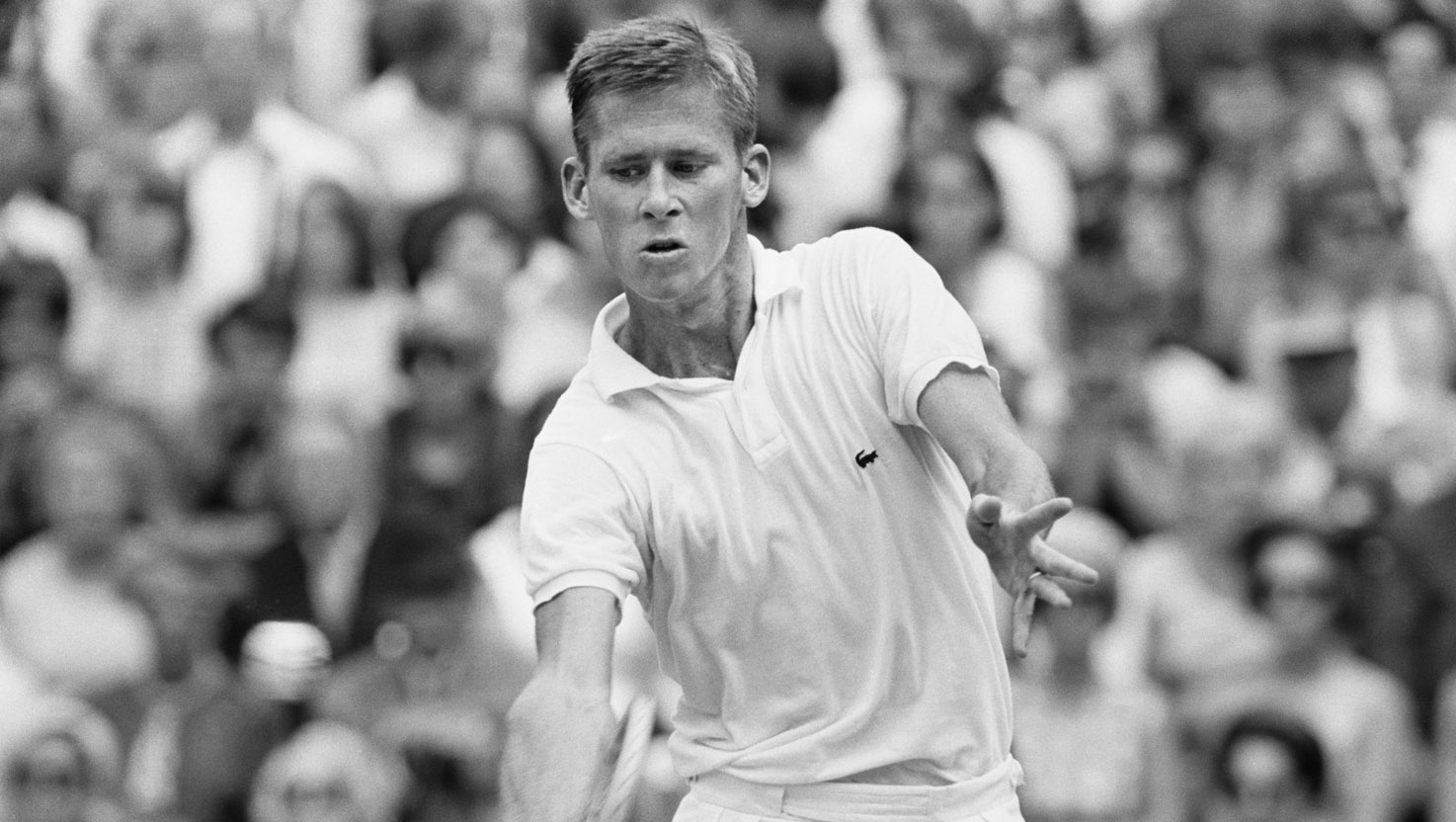
I hope, most of all, that this story does justice to Dennis Ralston and all he gave to so many.[vc_empty_space height="10px"]Above: Dennis Ralston during his loss to Manuel Santana during the 1966 Wimbledon final. (Getty)[vc_column width="1/6"][vc_tweetmeme share_via="racqetmagazine"][vc_column width="1/6"][vc_facebook type="button_count"][vc_column width="1/6"][vc_column width="1/6"][vc_column width="1/6"][vc_column width="1/6"][vc_empty_space height="45px"][vc_column width="1/4"][vc_column width="1/2"]
Shop Now
Racquet's Holiday Gift Guide

[vc_btn title="READ" style="outline" shape="square" color="success" size="lg" align="center" button_block="true" link="url:https%3A%2F%2Fracquetmag.com%2F2020%2F11%2F29%2Fracquet-holiday-gift-guide%2F|title:BUY||"][vc_column width="1/4"]