For elite athletes, the stakes couldn’t be higher; every boost in wellness is an advantage over opponents who are constantly looking for an edge. Pegula spoke with Racquet about her rituals, and how she manages to control her always-changing environment.
Racquet: Happy new year, Jessica! I hope there’s a quokka selfie in your plans during the Summer Down Under. Or at least a koala cuddle. What’s your favorite part about the first tournaments of the year?
JP: I love the feeling of a new season. It’s a great opportunity for new goals and a chance to reset both mentally and physically. The Australian swing is always a great place to start with amazing fans and great energy all around. I did already see some koalas and kangaroos the first week!
Racquet: The COVID-19 pandemic, and increasing wildfire smoke, has made us all more keenly aware of our air quality—both indoor and outdoor. When did you start focusing on that aspect of your health?
JP: As a professional tennis player, I’m always on the road, which has made me realize how different environments and air quality affected my sleep and recovery. I now treat air quality like any other part of my routine, just like hydration, nutrition, and sleep. It’s one of the things I can control when everything else is constantly changing.
Racquet: Sleep hygiene has come a long way in the past few years. We civilians are realizing the importance of sleep, and do what we can for a good night’s rest: mouth taping, sleep masks, white noise, chilly rooms, sleep tracking apps and air purifiers. What do you do to maximize your sleep?
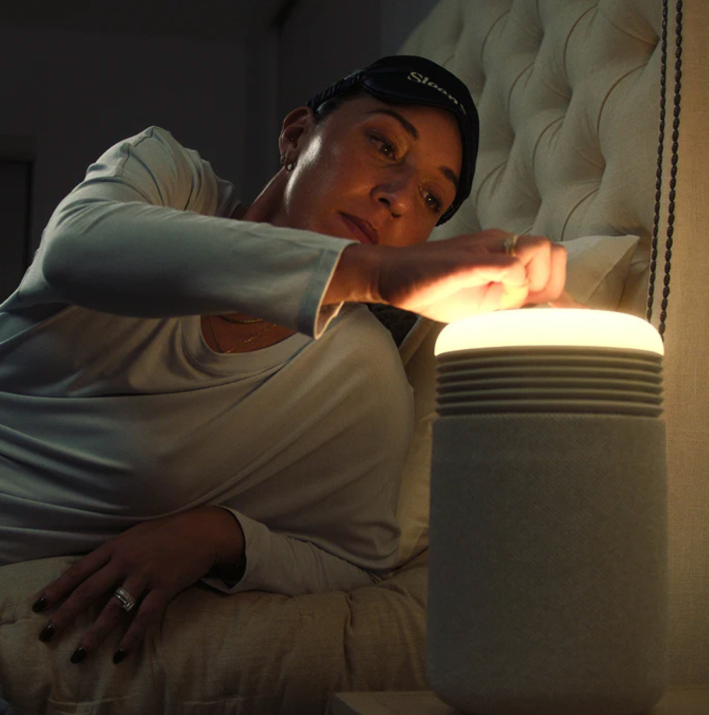
JP: I try to keep my routine as consistent as I can, even when I’m traveling, so I always wind down the same way and make my room feel calm and familiar. I keep the Blueair Mini Restful on my nightstand because the light and sunrise alarm really help me fall asleep and wake up more naturally, and when I’m in drier places or in a hotel for a while, the DreamWell humidifier makes a big difference in how I sleep and recover.
Racquet: You’re traveling much of the year; how do you incorporate those habits on the road?
JP: When I’m traveling, I try to recreate the same sleep setup in every hotel, so my body isn’t constantly adjusting. Bringing my Blueair Mini Restful and DreamWell humidifier with me really helps keep things consistent, which makes it easier to wind down, sleep deeper, and recover during long tournament stretches.
Racquet: Do you see a difference in your tennis when you’re unable to filter your indoor air, etc? What are the benefits when you ARE able to control your indoor environment?
JP: Yeah, I can definitely feel it when my sleep environment isn’t right and it shows up in my energy, focus, and how well I recover. When the air is clean and comfortable, I sleep better and wake up more refreshed, which really carries over into how I train and start my day.
Racquet: Does your coaching staff take these metrics into account? Do they make recommendations for life off-court?
JP: We talk a lot about consistency and having routines that support long-term performance, especially with all the travel, and creating a good sleep environment is a big part of that.
Racquet: I know you’re a dog person; doctors recommend keeping dogs out of the room when sleeping. I, for one, ignore that sage advice, in part thanks to an air purifier near the bed. What are your thoughts on that?
JP: I’m such a dog person, so I totally get wanting them close at night. Having an air purifier in the bedroom really helps with pet hair and it keeps the air feeling fresher, which makes a big difference for sleep.